AI Stretching Coaching Free Workout App
Improve Flexibility, Fitness & Nutrition
The Stretching Program offers an AI-powered studio that designs a daily stretching routine. This innovative feature helps users grow younger and improve fitness using AI automation. You can plan your wellness and easily integrate this exercise into your daily life.


A Complete Operating System
for your ongoing wellness.
Design routines, track recovery, and dial in your nutrition all from a single intelligent platform designed for high-end performance.
Adaptive Routines
Workouts that evolve with your daily recovery metrics and lifestyle factors, designed to provide ongoing balance and flexibility calibration.

Living Data
Integrated telemetry creates a feedback loop for real-time adjustments.
Experience the Studio Workflow
Test our AI orchestration engine instantly. Witness cinematic rendering and dynamic timeline construction in real time.
Begin Your Orchestration.
Step into the movement operating system. Zero filming, zero disjointed workflows—just pure adaptive intelligence.
Science & Movement
A proper nutrition strategy combined with a full-body stretching routine builds a strong foundation. You can enjoy free workout apps that customize every stretch to match your unique goals. Our system adapts to your level, whether you are a beginner or an athlete seeking improved flexibility and athletic performance.
What happens when you stretch?
When you stretch, you lengthen your muscle groups and enhance your full range of motion. A good stretch stimulates an increase in blood flow to the targeted area. This process helps your body recover faster and prepares your muscles for exercise.
According to the Mayo Clinic — Stretching: Focus on flexibility, basic stretches can prevent injury and optimize motion in your joints. You should aim to hold the stretch for at least 20 seconds. This action allows the muscle group to relax and adapt to the new length.
Why is pnf stretching effective?
Proprioceptive Neuromuscular Facilitation or PNF stretching is a highly effective stretch technique. You tighten a muscle and then stretch it to deepen the stretch. Physical therapists often recommend this exercise to quickly boost your flexibility and improve your range of motion.
Many free gym workout apps incorporate PNF techniques to reduce your risk of injuries. You can start on all fours or lie flat on the floor to perform these static stretches. Just ensure you keep your back straight and listen to your body stretch.

How should a beginner start stretching?
A beginner should start with a gentle full body stretch to warm up major muscle groups. You can create a full-body stretching routine that takes only a few minutes every day. Stand with feet apart and gently bend to touch your toes.
A Harvard Health — The ideal stretching routine advises consistency over intensity. Regular stretching helps eliminate back pain and improves overall posture. Start your daily routine with light dynamic stretches before trying longer static holds.

Are there good free gym workout apps near me?
You can access free workout apps anywhere without looking for a gym near me. Our AI application acts as a personal physical therapist in your pocket. You get a personalized plan focused on daily stretching and movement health.
These free programs guide you through every body stretch safely. They remind you to keep your back straight and breathe evenly. This regular stretching reduces lower back pain and improves athletic performance.


What should your daily stretching routine include?
Your daily stretching routine should target all the major muscle groups in your body. Focus heavily on your lower body and upper body alike. A complete full-body stretching routine builds balance and symmetry.
You can utilize full body stretch routines to awaken your nervous system. First, stand with your feet hip-width apart and reach your left arm up to shoulder height. Hold the stretch, then switch sides to feel a stretch evenly.
What are the key benefits of stretching?
The benefits of stretching extend far beyond just feeling loose. Stretching regularly promotes improved flexibility and an increase in blood flow. A Harvard Health — Benefits of flexibility exercises report highlights its role in reducing the risk of injury.
Daily stretching also calms the mind and relieves stress. You can reduce your risk of strains by ensuring your muscles are pliable. Maintaining a full range of motion prevents age-related stiffness and lower back pain.

How do you perform a proper hamstring stretch?
A proper hamstring stretch targets the back of your thigh. You can sit flat on the floor with one leg straight and the other bent. Lean forward with your back straight until you feel a stretch in your hamstring.
The Mayo Clinic — Hamstring stretch demonstrates how to safely stretch this vital muscle group. Do not force the movement; securely hold the stretch for 30 seconds and repeat on the other side. This stretch greatly assists in reducing the risk of injury.

When should you do a calf stretch?
You should perform a calf stretch after any leg-heavy exercise or walking. An effective calf stretch requires you to stand near a wall. Place one foot forward and bend your front knee, keeping your back leg straight.
Make sure to keep your back heel flat on the floor and feet flat. Lean into the wall to deepen the stretch in your calf. You will feel a stretch run down your lower leg, which increases blood flow.
Why are hip flexors important to stretch?
Your hip flexors easily become tight from sitting all day. A hip flexor stretch opens the front of your thigh and pelvis. It plays a critical role in alleviating back pain and improving your posture.
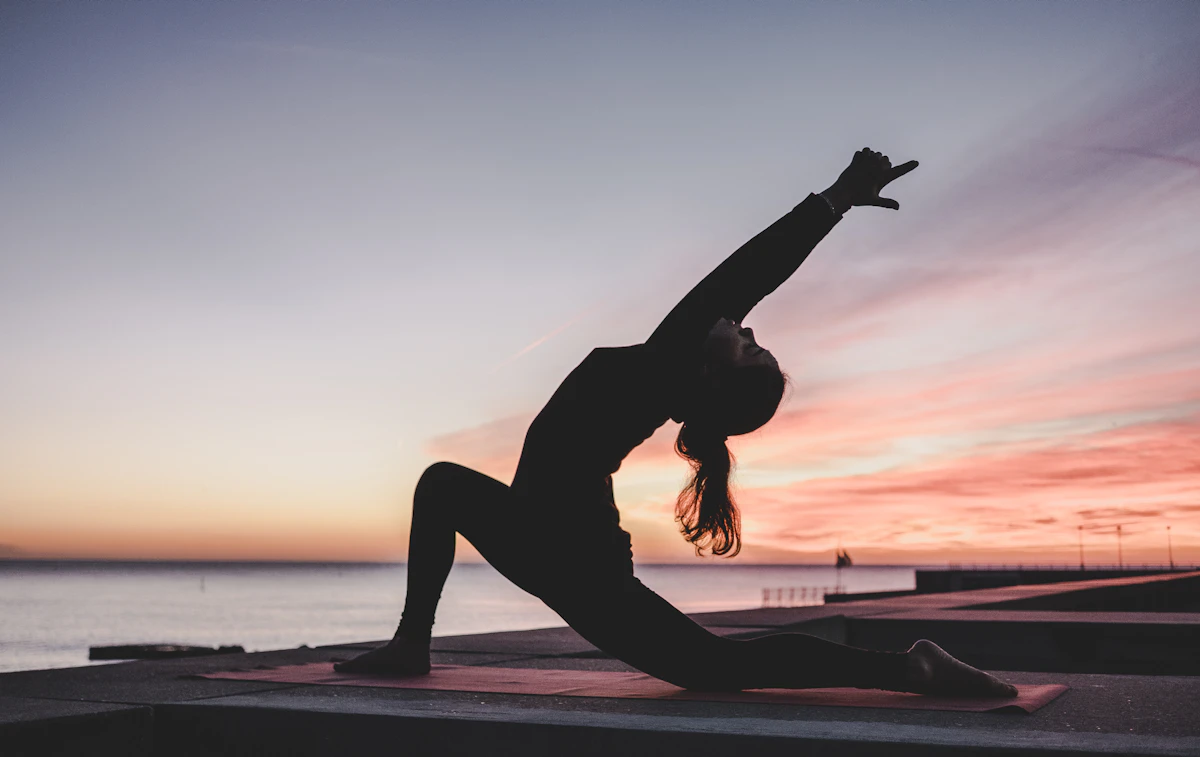
To do a hip flexor stretch, step your left leg forward into a lunge. Put your right knee on the floor and push your hips forward. Keep your back straight and hold the stretch for at least 20 seconds.
How can you stretch your upper back effectively?
An upper back stretch relieves tension between your shoulder blades. You can cross your left arm over your chest and pull it gently. This simple stretch provides immediate relief and helps increase flexibility.
Another great upper back stretch involves extending your arms out in front. Push your palms away and round your shoulders slightly. It is one of the best ways to stretch the upper body while sitting at a desk.
What does a full body stretch entail?
A full body stretch targets everything from your neck down to your calves. You will stretch your glutes, hamstring, thigh, and calf muscles. It thoroughly prepares the muscle groups in your body for intense exercise.
A PubMed review on static vs dynamic stretching suggests mixing dynamic stretches before activities and static stretches after. You straighten your legs and stretch your arms high. This full-body stretching routine ensures your joints maintain optimal health and mobility.